
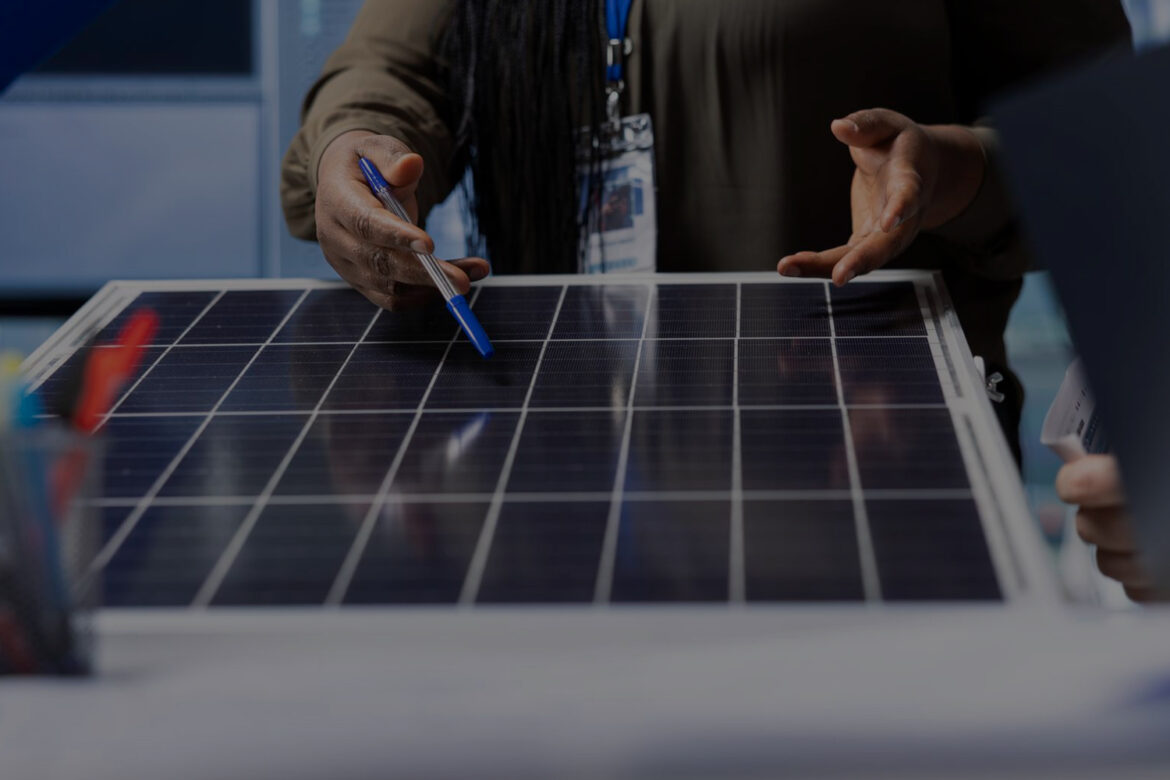
To maintain solar panels, regularly inspect them for damage and clean them to remove dirt and debris using a soft brush or hose with a gentle spray on a cool, overcast day. Monitor your system’s performance using monitoring tools, and manage shading by keeping nearby trees trimmed or obstructions removed. Periodically check for loose connections and address any issues by contacting a professional.
Cleaning Your Solar Panels
Schedule Cleaning: Clean panels 2-4 times a year, or more frequently in dusty or polluted areas
Choose the Right Time: Clean on a cool, overcast day or in the early morning to avoid cracking the glass due to temperature differences.
Turn Off System: For safety, turn off your solar system before cleaning.
Use Gentle Tools: Use a soft brush, microfiber cloth, or a hose with a gentle spray.
Avoid Harsh Cleaners: Do not use abrasive materials, harsh chemicals, or pressure washers, as these can scratch the surface or damage the protective coating.
Rinse Thoroughly: Rinse the panels with clean water to avoid leaving mineral deposits or stains.
Inspecting and Monitoring
Regular Visual Checks:
Inspect panels monthly for cracks, chips, loose connections, or other visible damage.
Monitor Performance:
Use system monitoring tools to track energy production. A significant drop could indicate an issue.
Manage Shading:
Monitor your panels to identify any new or existing trees or structures that may cast shadows, which can reduce efficiency.
Check After Severe Weather:
After storms or heavy snowfall, inspect your panels for any potential damage.
When to Call a Professional
Hard-to-Reach Panels: For panels that are difficult or unsafe to access.
Suspected Damage: If you notice physical damage like cracks, breaks, or loose connections.
Reduced Performance: If your system is producing significantly less power than it should.
Electrical Checks: For a thorough electrical inspection and repair service, which should be conducted every 5 to 10 years.
Leave a comment