
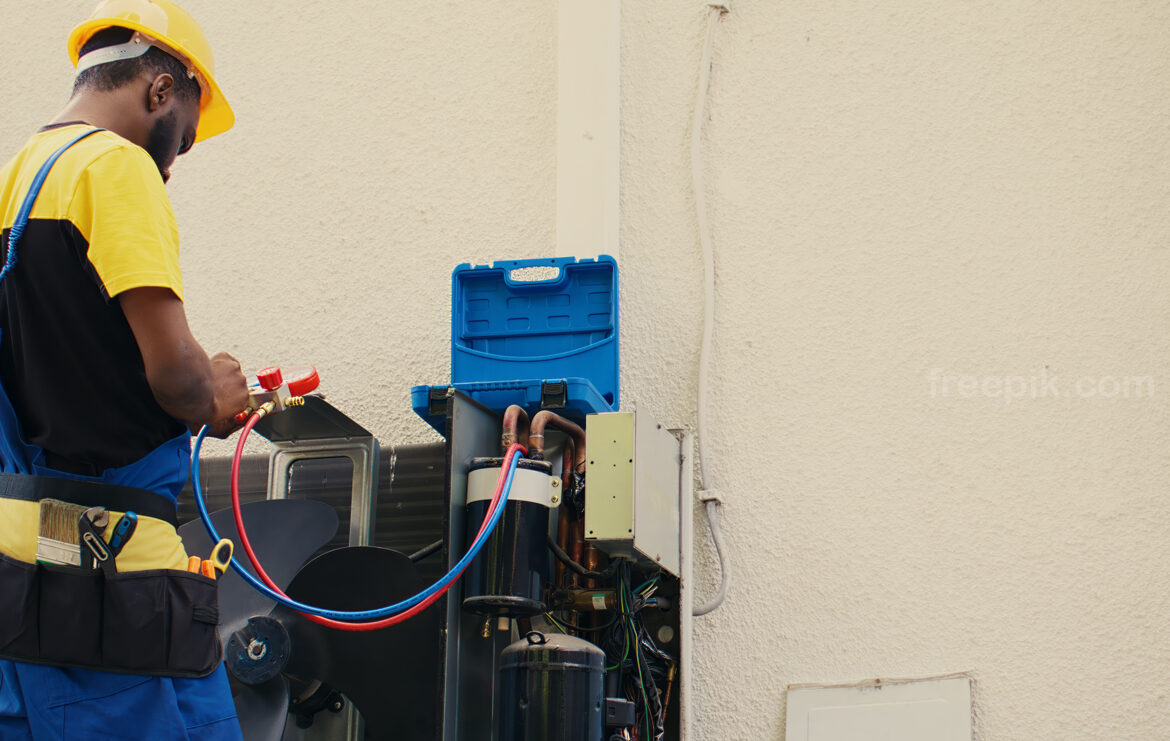
To maintain a solar inverter, perform regular visual inspections for damage, keep the unit clean and free of dust, ensure proper ventilation to prevent overheating, check electrical connections for tightness and corrosion, monitor performance data and update firmware, and schedule professional servicing annually. Also, avoid overloading the inverter and follow the specific maintenance guidelines in your inverter’s manual.
Regular Inspections
Visual Check: Look for cracks, corrosion, or other physical damage on the inverter casing.
Display Panel: Check the display for any error messages or irregular readings.
Cables and Connectors: Inspect all external wires and connections for fraying, discoloration, or loose connections.
Environment: Ensure the inverter isn’t in direct sunlight or near heat sources and that the surrounding area is free of obstructions.
Cleaning and Ventilation
Clean the Exterior: Wipe down the inverter’s surface with a soft, dry cloth to remove dust and debris.
Clear Vents and Fans: Ensure air vents and cooling fans are not clogged, as this can cause overheating.
Maintain Environment: Keep the area around the inverter dry, as humidity can damage internal components.
Monitoring and Software Updates
Check Performance Data: Use your inverter’s monitoring system to regularly check its output and performance data to ensure it’s operating optimally.
Update Firmware: Periodically check the manufacturer’s website or your monitoring system for available firmware updates and install them to improve performance and fix issues.
Connections and Electrical Checks
Tighten Connections: Periodically check and tighten all cable connections to ensure they are secure and free from corrosion.
Inspect Terminals: Check battery and inverter terminals for any signs of corrosion or damage.
Professional Servicing and Battery Maintenance
Schedule Annual Service: Arrange for a professional technician to perform a comprehensive annual inspection of the system.
Maintain Batteries: If your system includes batteries, maintain them according to the manufacturer’s recommendations, checking fluid levels and monitoring for degradation.
Safe Operation Practices
Avoid Overloading: Don’t connect appliances that exceed the inverter’s voltage range to avoid overworking it.
Consult the Manual: Refer to your specific inverter’s manual for detailed instructions and recommended maintenance schedules.
Call a Professional for Repairs: Do not attempt to self-maintain or repair a damaged inverter; instead, contact a qualified professional for assistance.
Leave a comment